Brooke Aitken - lochlomondlivestock@gmail.com
Eyebrow, Saskatchewan
While we have been raising sheep (and cattle) for many years, wool was considered more of a waste product than anything. In about 2016, through some conversations with other people working with and growing wool, I started to see wool as the wonderful natural product that it is. After that, we started to sell some raw fleeces to customers across Canada. That then branched into getting wool processed at mills and selling these products through local stores and our website, and using them myself - mainly for spinning and knitting.
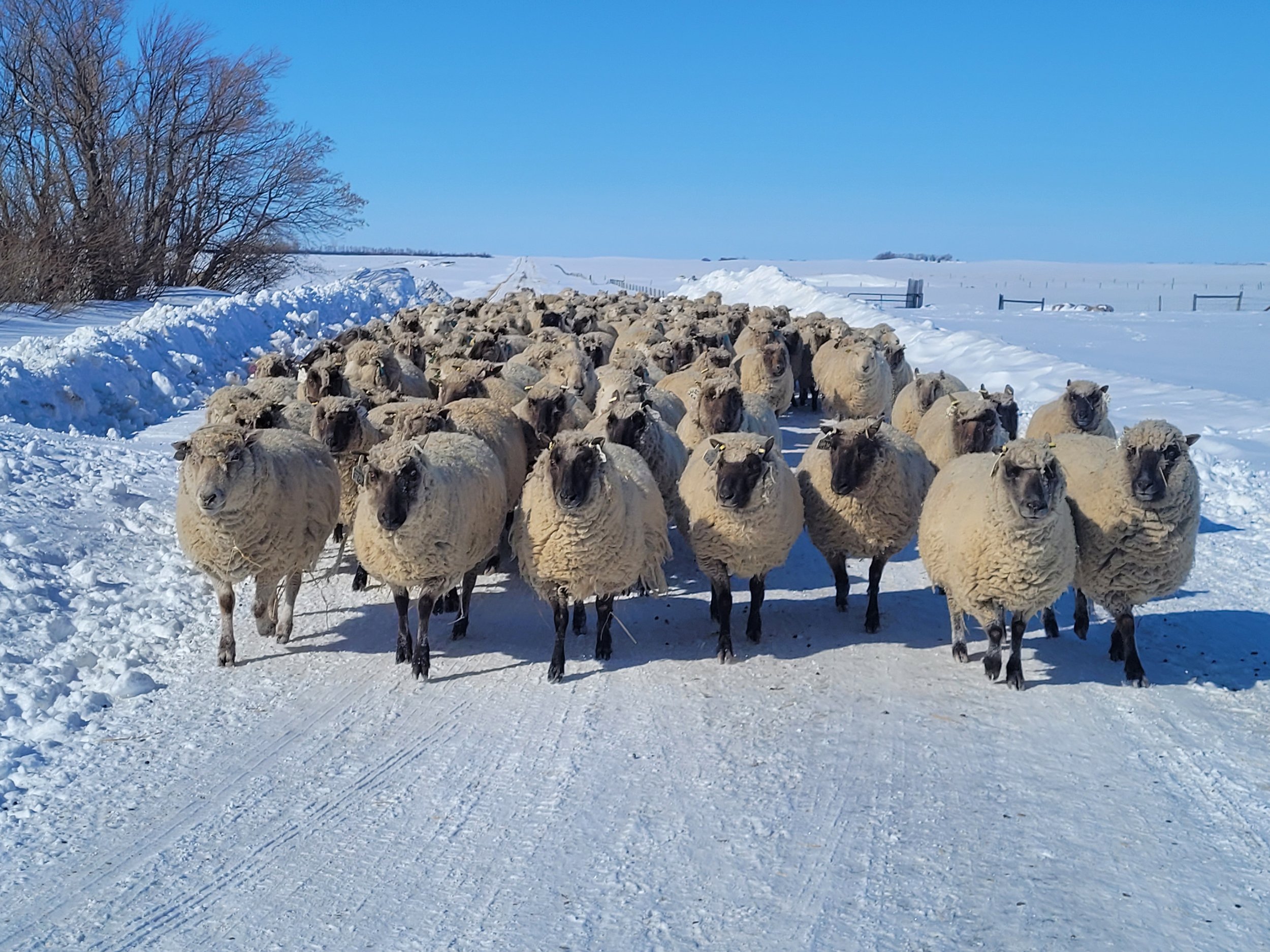
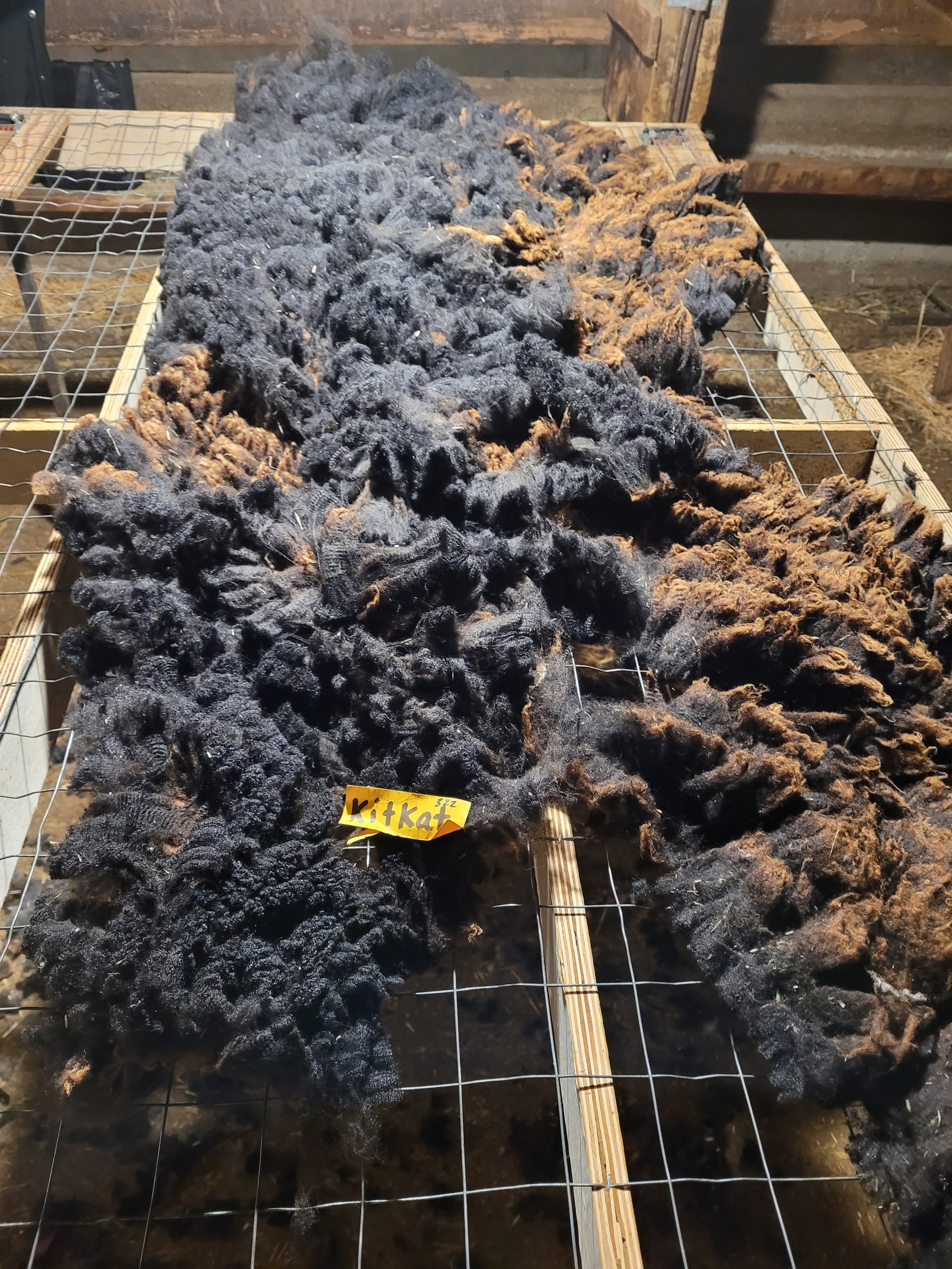
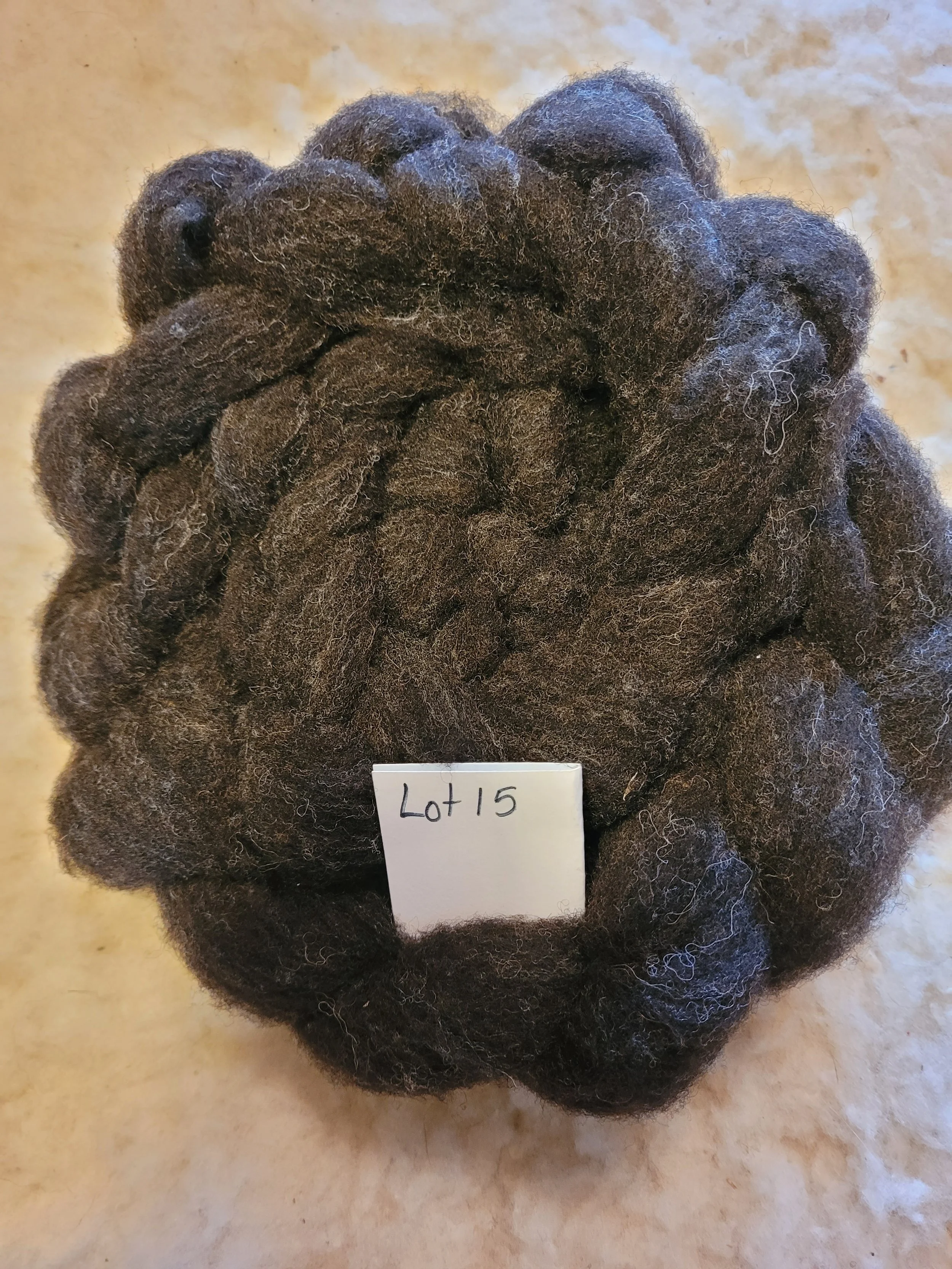
We have many raw fleeces available on our website. Our sheep are mainly Clun Forest crosses, with some Romney, Bluefaced Leicester, and a few other rare breeds. We have white, a variety of greys and black fleeces. We batch some of our similar type fleeces together and take them to Custom Woolen Mills in Alberta to be processed. Most of our processed fleeces are crossbred down, mid-range type, some of which are suitable for felting, while others are resistant to felting.
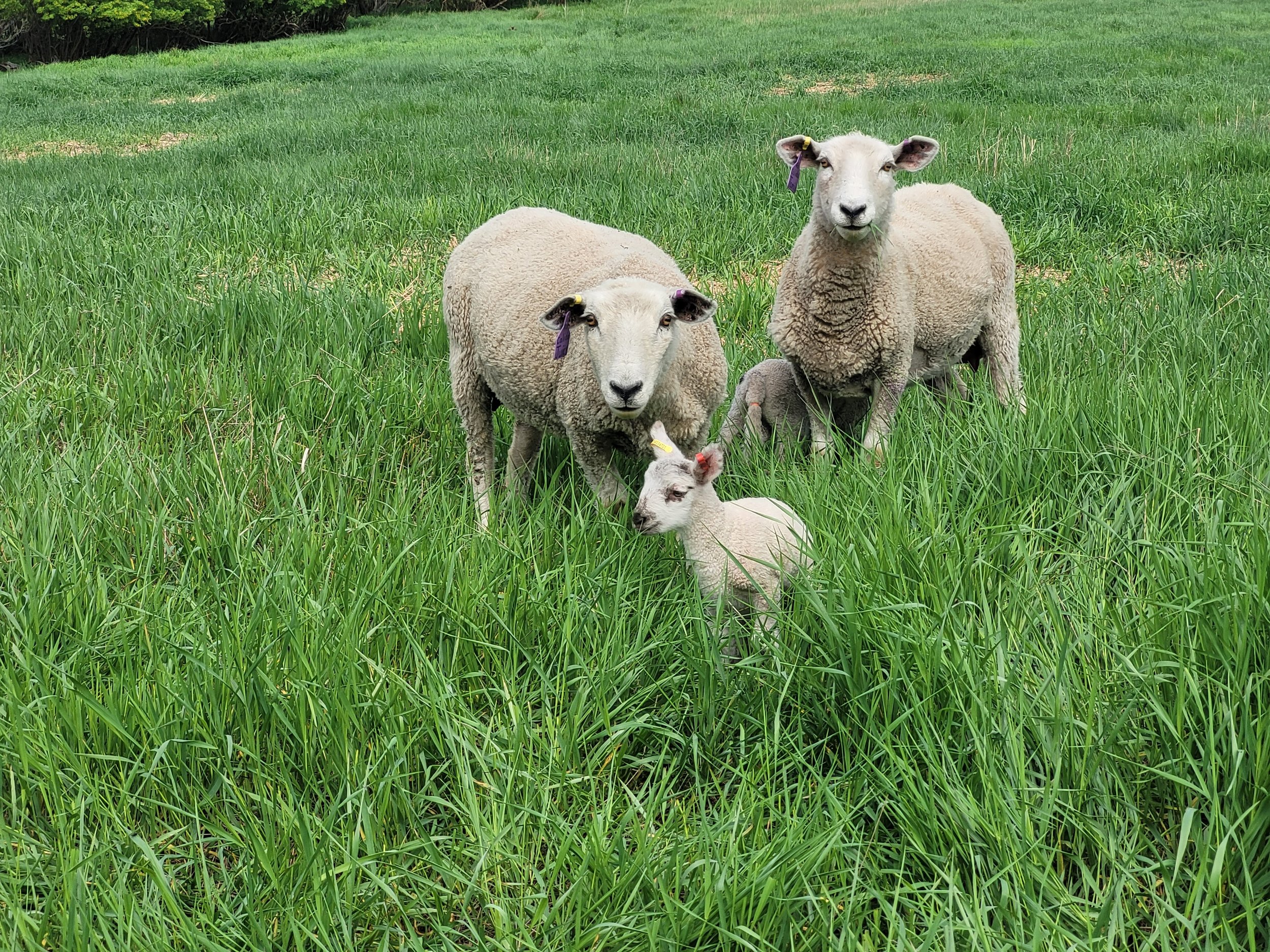
While we have what is considered a large flock by Canadian standards, our resident ewes all have names and I know many of them at a glance. We raise our flock on pasture as much of the year as the weather allows, and work with the natural cycles and seasons to create a business that works with nature rather than against it. Our wool is built for prairie weather, its first purpose is to keep the sheep warm through the cold winters and cool in the hot summers.
Verified Products
Tier 1: Loch Lomond Wool Products Yarn, Batting & Roving
Disclaimer: Verified products have been rigorously reviewed by the Canadian Wool Collective. If you would like more information on the traceability of the wool product, please reach out to the certified partner listed above. A description of the different certification tiers can be found here.