Wool must be part of Canada’s Agricultural Future
Public Consultation Guide for the Next Agricultural Policy Framework
What is the Canadian Agricultural Policy Framework?
The Canadian Agricultural Policy Framework is the primary funding and policy structure shaping programs and services for farmers across the country. As consultations begin for the Next Policy Framework (NPF), the coming months represent a critical window for farmers, producers, and those who care about agriculture in Canada to ensure their voices are heard and reflected in the future of Canadian agriculture.
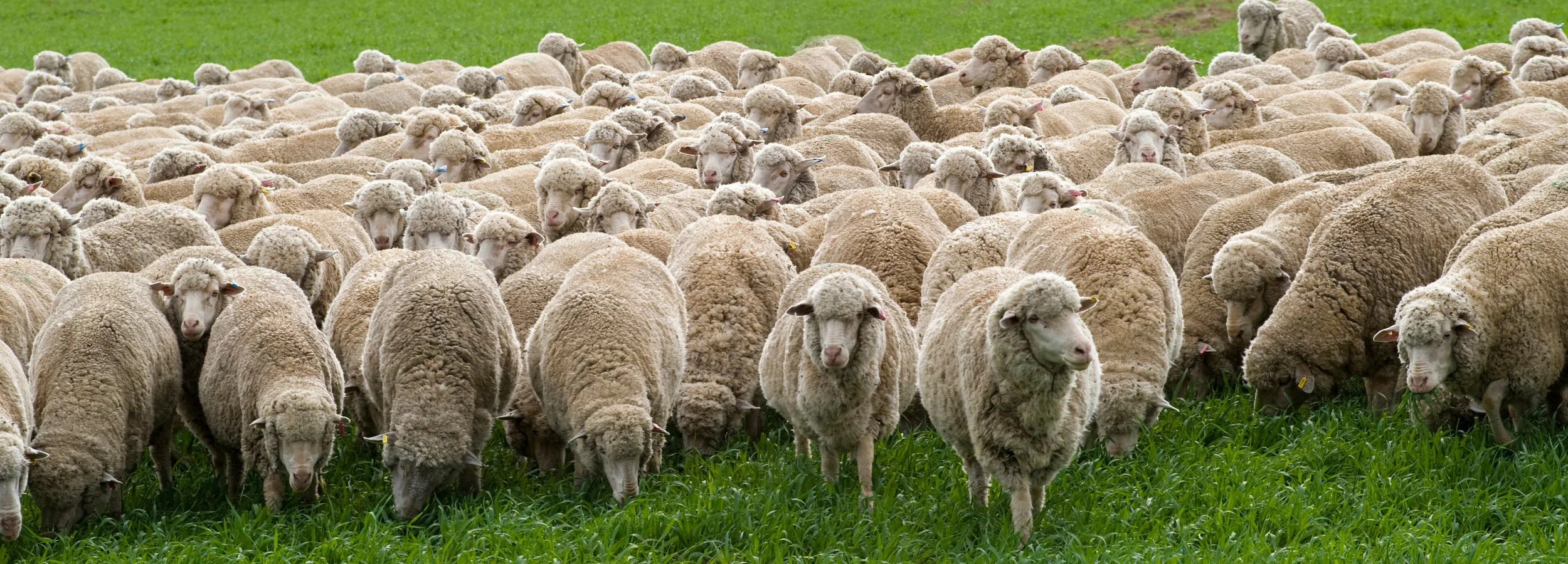
Sheep & Wool must be a part of Canada’s Agricultural Future.
The Canadian Wool Collective understands that wool is a valuable agricultural commodity that offers many benefits for local economic development and climate action. As such, wool should be an important part of the Next Policy Framework.
Priorities for the Next Policy Framework should include:
1. Reinvestment in domestic wool processing infrastructure
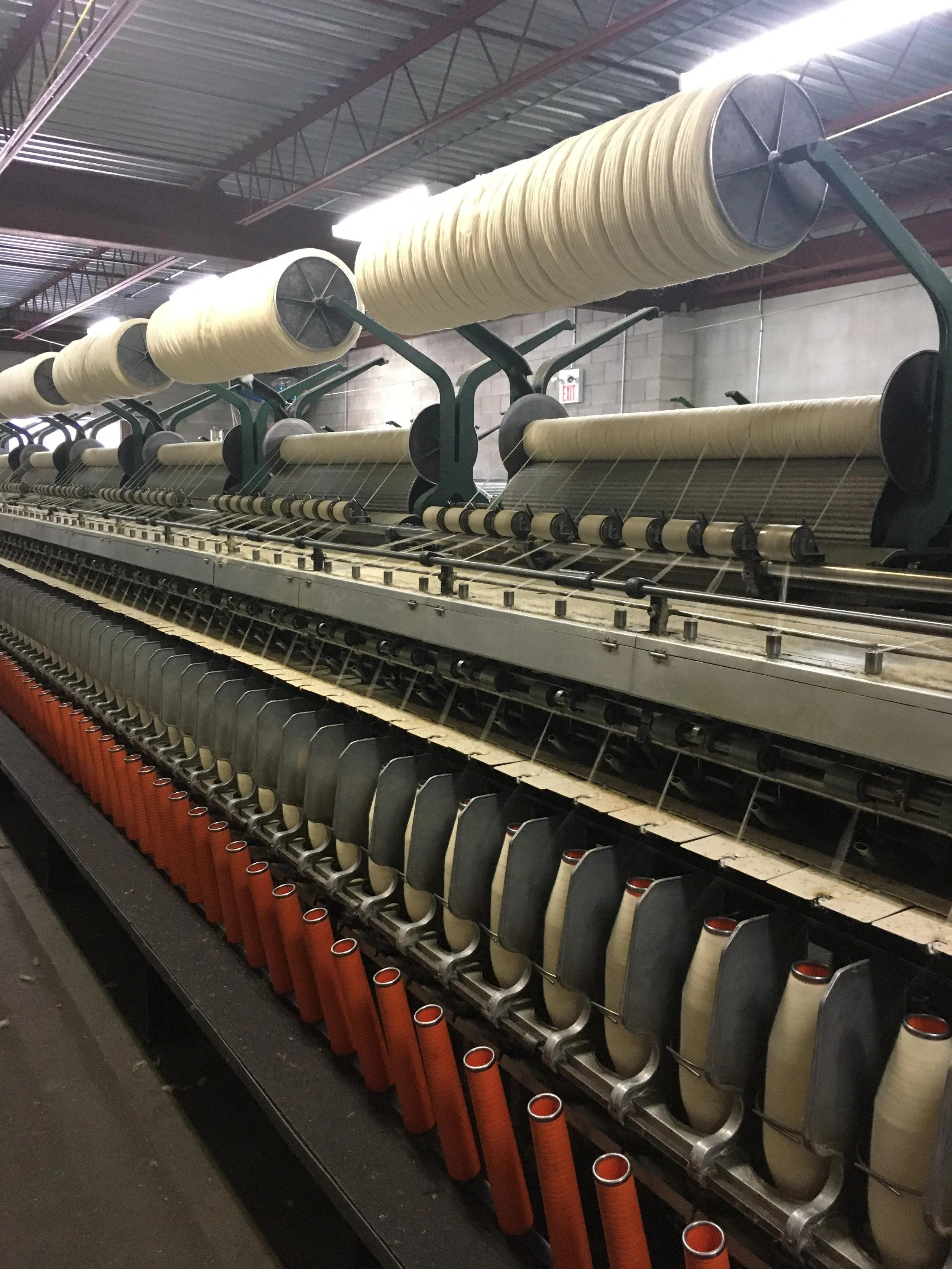
Canada currently lacks sufficient regional processing capacity, which limits the ability to turn raw wool into value-added products. Strategic investment in domestic wool production infrastructure through grants, low-interest and micro loans for regional scouring facilities, wool processing mills (carding, combing, and spinning), textile mills, and domestic garment production is essential to keep value within Canada and strengthen rural economies. Additional investment is also required in training and education for these wool manufacturing enterprises.
2. Recognition of wool as a climate-positive material
Wool is a renewable and biodegradable resource that offers an outstanding nature-based solution to the climate crisis. A natural fibre with strong potential in low-carbon applications far beyond personal and household textiles, wool could replace microplastics and synthetics in several applications, such as insulation, landscaping, and roadside stabilization. Throughout its life-cycle, from sheep to sweater to soil, wool serves as a carbon sink, holding almost twice its weight in atmospheric carbon, thus preventing this stored CO2 from further contributing to climate change. Policy must explicitly include wool within climate change targets, circular economy, and green building strategies.
3. Support small-scale, diversified, and next-generation producers
The sheep sector plays a key role in enabling new entrants and diversified farm models. Programs must be more accessible and better tailored to reflect the realities of small ruminant production and integrated wool & fibre businesses.
Join us in shaping Canada’s New Agricultural Policy Framework by following these steps:
Step 1: Go to the Agriculture and Agri-Food Canada (AAFC)'s Consultation Next Policy Framework (NPF) consultation link and fill out the demographic and introduction questions.
Step 2: In preparation for answering the core consultation questions, we invite you to reflect on your own experiences and review our suggested survey responses. Then answer the questions. You are welcome to copy and paste the text below. Time permitting, we encourage you to incorporate your own perspective, experiences, and stories.
Step 3: After you have submitted your response, tell others in your community. You don’t need to be a farmer or a wool mill owner to care about the future of sheep and wool in Canada.
Learn more about the Next Policy Framework below the suggested survey responses.
Suggested Survey Responses
SURVEY QUESTION 1: Federal Provincial Territorial (FPT) governments are hearing that stakeholders would like us to focus on areas such as markets and trade, growth and competitiveness, and resiliency. Do you agree with these priorities, or are there others?
Sample Answer:
Resilience and local economic development are key to Canada’s future in general, and our agricultural future in particular. The NPF must therefore include a stronger focus on regional resilience, diversified production, and value-added domestic processing of wool and fibre. The sheep and wool sector plays a unique role in this by supporting small and mid-scale farms, enabling production on marginal land, and contributing to circular, low-waste systems. Historically, however, the sector has been consistently under-supported, and wool itself, vastly undervalued. This needs to change.
SURVEY QUESTION 2: In your view, what should be the top priorities for the Next Policy Framework?
Sample Answer:
Reinvest in domestic wool processing infrastructure
Canada currently lacks sufficient regional processing capacity, limiting the ability to turn raw wool into value-added products. Strategic investment in regional mills and small-scale processing is essential to keep value within Canada and strengthen rural economies.
Recognize wool as a climate-positive material
Wool is a renewable and biodegradable fibre. It is naturally fire retardant, anti-bacterial, nitrogen-rich, and carbon sequestering. As such, it has tremendous potential in low-carbon applications such as insulation, landscaping and sustainable textiles. Policy must explicitly include wool within climate change targets, circular economy, and green building strategies.
Support small-scale, diversified, and next-generation producers
The sheep sector plays a key role in enabling new entrants and diversified farm models. Programs must be more accessible and better tailored to reflect the realities of small ruminant production and integrated wool & fibre businesses.
SURVEY QUESTION 3: Given recent challenges and unpredictability facing the agriculture and agri-food sector, what do you see as the issues, both current and emerging, that are creating the most pressure for the sector? What do you see as the greatest opportunities for the sector?
Sample Answer:
Globalized value-chains expose Canada to geo-political volatility and contribute immensely to carbon pollution. Though grown- and made-in-Canada wool products could avoid these issues, one of the most significant current pressures for Canadian wool is the lack of domestic wool processing infrastructure. Without regional scouring, carding, and milling capacity, Canadian wool is often forced into low-value or export commodity streams, or worse - treated as waste. This creates price instability for producers and weakens the entire value chain.
Emerging pressures include climate instability and land-use uncertainty, which affect pasture availability, forage quality, and long-term farm planning. In addition, there is persistent competition from imported synthetic fibres and global textile supply chains that continue to dominate markets where Canadian wool could otherwise play a stronger role.
Despite these pressures, there are significant and underdeveloped opportunities. The most important is the potential to rebuild a domestic wool value chain, connecting farmers, processors, designers, manufacturers, and end users within Canada. This would retain more economic value locally, create rural employment, and strengthen regional economies. A second major opportunity is the growing demand for low-carbon, renewable, and circular materials. Wool is uniquely positioned as a biodegradable fibre with strong applications in building materials (such as insulation), landscaping, textiles, and other semi-industrial uses. As governments and industries seek to reduce emissions and material waste, Canadian wool can play a much larger role if supported through targeted policy and procurement.
Finally, there is an opportunity to support diversified and regenerative livestock systems, particularly sheep production on marginal or mixed-use land. These systems contribute to soil health, biodiversity, and landscape resilience while offering accessible entry points for new farmers and value-added entrepreneurs.
SURVEY QUESTION 4: How can FPT governments best work with producers and processors through the NPF to address these challenges and help advance sector priorities?
Sample Answer:
A primary need is coordinated investment in regional wool infrastructure, including scouring, carding, spinning, and milling capacity across Canada. FPT collaboration is essential to ensure these investments are distributed regionally and aligned with producer access, so that wool can move efficiently from farm to finished product. Without this infrastructure, producers remain locked out of value-added markets regardless of quality or demand.
Governments should also work more directly with producers and processors to co-develop programs that reflect real sector structures, particularly for small and diversified farms. Many sheep producers operate outside of dominant commodity models and are not fully served by existing funding frameworks. More inclusive program design—built with producer and processor input from the outset—would improve uptake, relevance, and long-term resilience.
Another key role for FPT governments is to support market development and procurement pathways for Canadian wool products. Public procurement policies (for example in construction and infrastructure) could prioritize renewable, low-carbon materials such as wool insulation and roadside stabilization, helping to create stable domestic demand while advancing climate objectives.
Finally, governments can better support the sector by strengthening knowledge-sharing, research, and extension services specific to sheep and wool systems. This includes applied research into fibre innovation, regenerative grazing systems, and value-added product development, as well as ensuring that findings are accessible to producers, processors, and small businesses.
SURVEY QUESTION 5: We are nearing the halfway point of Sustainable CAP. What is working well in your view, and where is there room for improvement?
Sample Answer:
The greatest challenge has been Accessibility to the program for all producers, including those that are producing non-food agri products like wool and textiles. The programs should include eligibility criteria for farm enterprise of all scales and production types that include diversified production models. Greater cost share percentages are needed for equity deserving groups and those in their first five to ten years of operation at a time when farm operations require the most support. (Thanks to Young Agrarians for this last point)
SURVEY QUESTION 6: What are the lessons learned that should be considered in the NPF?
Sample Answer:
An important lesson is that value creation in agriculture is increasingly tied to processing capacity, not just primary production. In the sheep and wool sector, the absence of domestic wool processing infrastructure has limited the ability of producers to participate in higher-value markets. This has resulted in lost economic opportunities and weakened supply chain resilience. Future policy frameworks must recognize that infrastructure is not separate from production—it is central to it.
We also need to look closely at accessibility and program design for diversified and small-scale producers specifically AgriStability and AgriRisk programs are not currently designed for mixed/diversified enterprises. Many sheep farms operate outside of standardized commodity models and face barriers to accessing business risk management (BRM) programs, infrastructure funding, and innovation supports. Programs that are designed without these realities in mind tend to reinforce inequities in participation and limit sector growth.
Finally, experience shows that co-development with producers and processors leads to stronger, more effective policy outcomes. Where industry voices are meaningfully included early in program and policy design, implementation tends to be more practical, better adopted, and more resilient over time. Strengthening these feedback loops should be a core principle of the next framework.
SURVEY QUESTION 7: Do you have any other ideas, comments, feedback or suggestions to share on Canada’s Next Policy Framework?
Sample Answer:
The sheep and wool sector represents a critical but often overlooked part of Canada’s agricultural system. It connects agriculture, manufacturing, climate policy, and rural development in a way that few other sectors do.
Despite this, Canadian wool is often treated as a waste product due to a lack of domestic processing and market support. This represents a missed economic and environmental opportunity. With strategic investment and policy recognition, wool can become a cornerstone of a more sustainable and resilient agricultural system.
The Next Agricultural Policy Framework is an opportunity to correct this course by ensuring that sheep and wool are fully included in the future of Canadian agriculture.
Questions About the Canadian Agricultural Policy Framework
Thanks to the Young Agrarians and the Ecological Farmers Association of Ontario for these frequently asked
questions about the NPF.
-
The Canadian Agricultural Policy Framework (often called the “APF”) is a multi-year agreement between the federal, provincial, and territorial governments that sets the direction for agriculture and agri-food policy in Canada. It outlines shared priorities, funding commitments, and programs designed to support farmers, strengthen the food system, and drive innovation and sustainability.
These frameworks typically run for five years and are renewed regularly. The current framework is the Sustainable Canadian Agricultural Partnership (SCAP), which runs from 2023–2028.
The Next Policy Framework (often called the “NPF” or the “next APF”) will run from 2028-2032. Consultations are underway towards the NPF as the federal government begins the multi-year process of negotiating the next framework.
-
Agriculture is one of the only policy files that has shared jurisdiction between the federal and provincial/territorial governments. The Agricultural Policy Framework is therefore co-developed through federal, provincial and territorial (often called “FPT”) negotiations.
These negotiations determine:
Priority areas (e.g., climate, competitiveness, resilience)
Funding levels (cost-shared between the federal and provincial/territorial governments)
Program design and delivery (some federal, some provincial)
Before and during negotiations, governments gather input from stakeholders—including farmers, industry groups, and the public—through consultations and surveys.
The federal, provincial and territorial (FPT) Ministers of Agriculture meet in person every year, usually in July. At their FPT summit in July 2026, they will adopt a “Policy Statement” that will outline high-level priorities for the Next Policy Framework. Funding levels and program design will then be negotiated over the following 18 months to ensure that they accomplish the goals set out in the Policy Statement. This means that the next few months are a very important time for farmer voices and advocacy!
The Policy Statement adopted in 2021, leading into the development of the current Sustainable Canadian Agricultural Partnership, was called the Guelph Statement. The priority areas outlined in the Guelph Statement were:
Building sector capacity, growth and competitiveness
Climate change and environment
Science, research and innovation
Market development and trade
Resiliency and public trust
-
The APF funds a wide range of programs that generally fall into two categories:
Business Risk Management (BRM) programs
These help farmers manage financial risks beyond their control, such as:
Income declines
Crop losses
Natural disasters
Examples include income stabilization, crop insurance, and disaster assistance programs.
2. Strategic Initiatives (FPT cost-shared and federal programs)
These support longer-term sector growth and priorities, such as:
Environmental sustainability and climate action
On-farm innovation and technology adoption
Market development and trade
Food safety and traceability
Regional and sector-specific initiatives
This document overviews the federal and provincial programs included in the SCAP.
-
Some important agriculture-related issues fall outside the Agricultural Policy Framework and are handled through other laws or policy areas, such as:
Supply management and pricing systems (e.g., dairy, poultry, eggs)
Trade agreements and international market access
Tax policy and financial regulations
Labour and immigration policy (e.g., farm labour programs)
Land use planning and zoning (often provincial/municipal)
Environmental regulations and legislation (separate from incentive programs)
While the framework can support these areas indirectly, it does not set the rules governing
-
Consultations are one of the main ways governments hear directly from farmers,especially new and underrepresented voices,before setting priorities for the next framework.
Participating matters because:
It shapes funding priorities: Your input can influence where billions of dollars are invested.
It ensures relevance: Programs are more useful when they reflect real on-the-ground challenges.
It amplifies new farmer perspectives: Young and early-career farmers often face different barriers (e.g., access to land, capital, and markets).
It strengthens the sector’s future: Policies built with farmer input are more effective, inclusive, and forward-looking.
In short, consultations are a rare opportunity to directly influence the policies and programs that will affect your farm business for years to come.
AAFC is the most lobbied department in the entire federal government – so it’’s important that as many farmers as possible participate directly in the consultation to make our voices heard!
FAQ text from the Young Agrarians and Ecological Farmers Association of Ontario